Vaccinations for Pets Prairieville Animal Hospital: Schedule Your Pet's Shots
Vaccinations are the backbone of preventive veterinary care. They protect dogs and cats from common, potentially deadly diseases and form the foundation of a healthy life for your companion. At Prairieville Animal Hospital, we approach pet vaccines with the same emphasis we place on nutrition, dental health, and daily activity. A well-planned vaccination schedule, tailored to your pet’s age, lifestyle, and medical history, reduces risk and keeps disease in check in our community.
Below is a comprehensive look at how we approach pet vaccinations, what to expect during visits, and practical steps you can take to keep your furry family members protected. The goal is clarity, not alarm, and to provide you with the confidence to schedule confidently through prairievilleanimalhospital.com or by calling the clinic directly.
The role of vaccines in everyday life
Vaccines are not a single event. They are a strategy that blends medical science with your pet’s daily routine. When a puppy or kitten arrives, the immune system is still learning how to respond to the world. A carefully timed series of vaccines helps train that system to recognize dangerous intruders without triggering unnecessary reactions. For adult pets, boosters and periodic assessments ensure protection remains robust as life changes—new household members, boarding, travel, or exposure to different environments all influence risk.
From the kennel to the couch, prevention matters
A vaccinated pet is less likely to contract a disease and, if exposure occurs, may experience milder symptoms. That difference becomes particularly meaningful in diseases that spread quickly through groups of animals—such as those you might encounter at dog parks, groomers, boarding facilities, or shelters. Our team emphasizes transparent communication about which vaccines are recommended, why they’re suggested, and how often boosters are needed. We also discuss the small but real risk of adverse reactions and how we monitor and manage those events should they arise.
Getting started: the first steps for puppies, kittens, and new pets
When you bring a new puppy or kitten to Prairieville Animal Hospital, the initial visit is about establishing a baseline for health and mapping out a practical vaccination plan. We review medical history, answer questions about behavior and environment, and conduct a thorough physical exam. From there we outline a schedule that fits your pet’s growth stage, local disease prevalence, and your family’s routine.
Kits, boosters, and the realities of immunity
Vaccines work by educating the immune system to recognize a specific disease. In puppies and kittens, maternal antibodies can interfere with vaccine effectiveness for a short window. That’s why the initial series is spread over several weeks. As animals mature, the immune system strengthens and vaccines become more about maintaining protection rather than jump-starting it. A booster at the right interval helps to remind the immune system of what it learned, ensuring long-term defense.
What to expect at the clinic
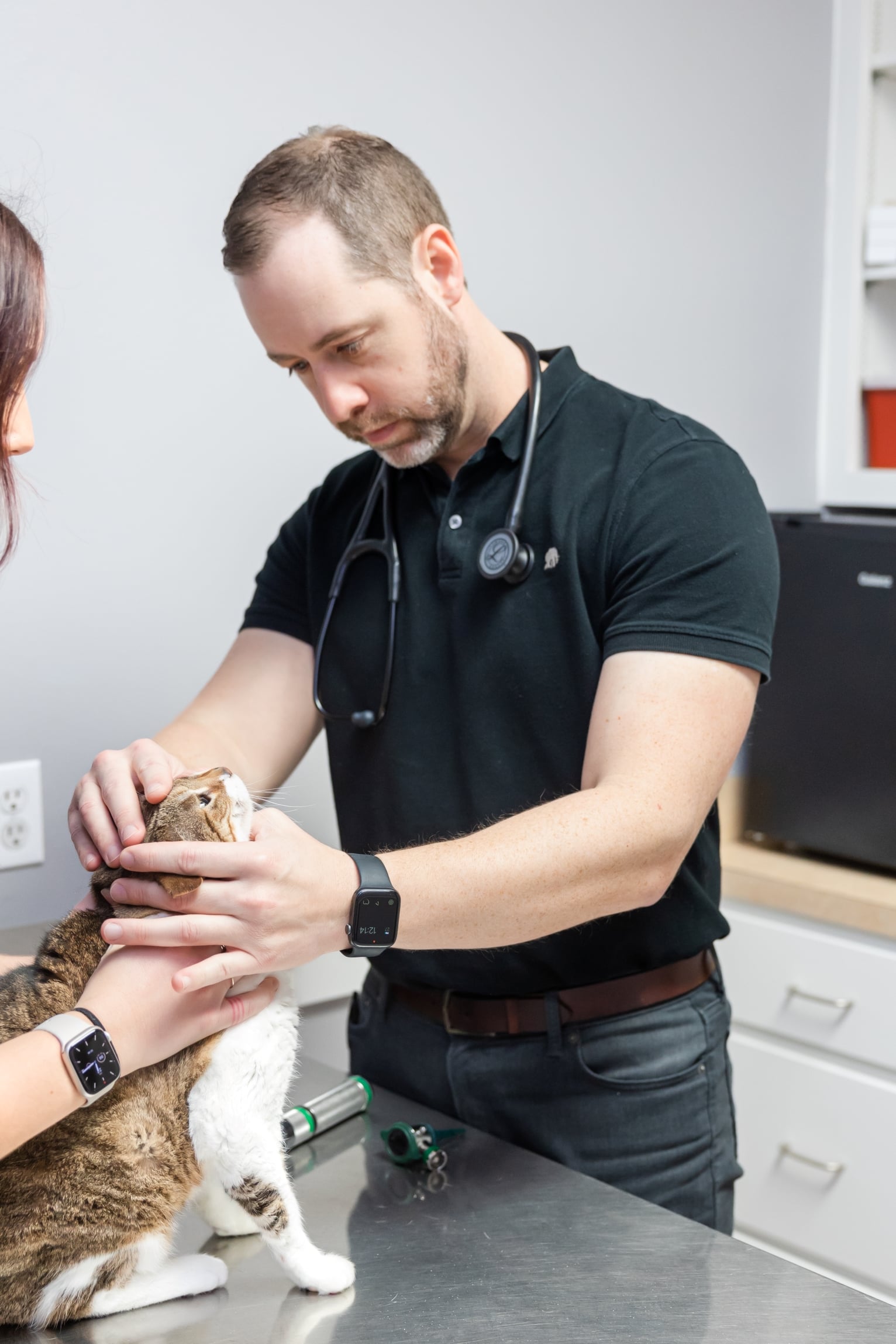
Vaccination visits are typically straightforward. We review the pet’s health status, measure weight, and listen for signs that might influence vaccine choice. Sometimes we adjust the plan if a pet has a medical condition or if there are special circumstances such as upcoming travel or participation in events with higher exposure risk. We always discuss post-vaccination care, including mild soreness or swelling at the injection site, and what symptoms would merit a call to the clinic.
Core vaccines versus non-core vaccines
In our practice, vaccines are categorized to reflect the risk profile for each pet. Core vaccines protect against diseases that are widespread, serious, and pose significant risk to all animals in a given region. Non-core vaccines address diseases that are less common or pose a risk to pets with particular lifestyles or medical histories. The recommended schedule often balances regional disease prevalence, the animal’s age, and prior vaccination status. We tailor the plan to your circumstances, never applying a one-size-fits-all approach.
When to schedule shots: practical touchpoints
The timing of vaccines is not arbitrary. It’s driven by developmental milestones, exposure risk, and the need for boosters. Here are key moments to consider:
- Puppies, kittens, and adolescent pets: begin vaccination series early to establish immunity and then complete booster rounds. The exact timing depends on the vaccine type and the pet’s growth rate.
- Pets new to the area or entering high-risk environments: boarding facilities, daycare, or frequent travel can elevate exposure risk, making timely vaccines even more important.
- Adults with ongoing risk: pets that spend time outdoors, hunt, or frequent areas with wildlife may require non-core vaccines in addition to core vaccines.
- Senior pets and those with chronic health issues: older animals or those with compromised immune systems may need adjusted schedules and closer monitoring.
- Changes in health status: if your pet experiences illness or a prolonged period of stress, we reassess vaccine timing to protect health without compromising recovery.
Two concise guides to help you think about vaccines in practice
To keep this readable and practical, here are two compact lists that capture essential ideas without becoming a checklist you’ll forget to customize.
- Core vaccines to know about: Distemper, Hepatitis, Parvovirus, and Rabies form the backbone of protection for most dogs. For cats, core vaccines commonly include Feline Distemper (Panleukopenia), Feline Herpesvirus and Calicivirus, and Rabies. These vaccines are widely recommended because the diseases they prevent are contagious, severe, and frequently fatal.
- A practical puppy and kitten timeline: initial vaccines begin around eight weeks, with follow-up boosters at two to four weeks apart, a final round around four months, and then annual or triennial boosters depending on the vaccine and risk factors.
Monographs on vaccines for specific situations
There are times when we encounter scenarios that require careful thought beyond the standard schedule. For example, pets that have had adverse reactions to vaccines in the past deserve a cautious approach with a plan for testing, observation, or alternate vaccination strategies. If a pet has a medical condition such as a compromised immune system, we’ll discuss the benefits and risks of vaccines in depth. In some circumstances, we may adjust the vaccine type, spacing, or frequency to minimize risk while preserving protection.
Vaccination safety: what you should know
Vaccine safety is a steady concern for many pet owners. In a busy practice, you’ll notice we prioritize safety through several channels: selecting vaccines with a long-standing track record of safety in veterinary use, administering vaccines in a controlled environment, and monitoring pets for a short window after administration. We encourage owners to report any unusual changes following vaccination, such as persistent lethargy, swelling beyond the injection site, or signs of an allergic reaction. Immediate care is accessible through Prairieville Animal Hospital if concerns arise after leaving the clinic. Remember, most pets tolerate vaccines well, and adverse events are uncommon.
Vaccination schedules in practice: a closer look
The exact sequence and frequency of vaccines depend on a few factors. Age is a primary determinant: the immune system matures in stages, and early vaccines are designed to establish a baseline while maternal antibodies fade. Regional disease patterns also influence the decision to include non-core vaccines. If you board your pet, travel frequently, or participate in dog parks or rescue events, we may recommend additional protection to lower the risk of exposure during those periods. Finally, your pet’s health history plays a central role. If a pet has a chronic condition, we may adjust timings to ensure the vaccine does not interfere with treatment or recovery.
How Prairieville Animal Hospital conducts wellness exams alongside vaccinations
Pet wellness exams are more than a quick check. They’re a comprehensive, proactive touchpoint that accompanies vaccines, reinforcing overall health and early problem detection. We begin with a detailed history—environment, exposure to other animals, changes in appetite or activity level, and any past medical concerns. Then we perform a physical examination that looks at coat condition, dental health, heart and lungs, joints, eyes, ears, and abdomen. The goal is to triangulate vaccines with a broader understanding of the pet’s health status.
The synergy between vaccines and preventive care
A vaccination visit often doubles as a chance to review dental health, parasite control, and weight management. We’re careful not to treat vaccines as a stand-alone intervention. The evidence shows that preventive care—regular dental checkups, appropriate parasite prevention, and a balanced diet—contributes to healthier immune function and better outcomes if disease exposure occurs. By combining these elements, we can reduce medical costs over a pet’s lifetime and improve quality of life.
What a vaccination plan looks like for a typical family
For a three-year-old mixed-breed dog named Benny who loves long backyard fetch sessions and occasional trips to the pet store, a vaccination plan might look straightforward, yet thoughtfully tailored. We’d start with a baseline physical exam, verify Benny’s weight, and confirm recent medical history. The core vaccines would be scheduled in a series that ends with a rabies vaccination, which in this state is legally required at a certain age. If Benny has a history of allergic reactions, we would choose a vaccine formulation with careful monitoring and consider pre-visit screening when necessary. The puppy series is longer, the adult plan leaner, but each step aims to maintain consistent immunity.
For a cat named Mia who enjoys window naps and quiet play with feather toys, the approach is similar yet adjusted for feline disease profiles. We’d discuss vaccines for feline distemper and upper respiratory infections, among others, and schedule boosters in line with best practices for felines. Mia’s wellness visit would likely include a dental screening, given how often feline dental disease goes unnoticed until it becomes problematic.
Vaccine logistics at Prairieville Animal Hospital
Access to vaccines should feel seamless rather than intimidating. We offer flexible scheduling options via prairievilleanimalhospital.com to reduce friction for busy households. Whether you’re scheduling during a routine annual exam or aligning vaccines with your pet’s most convenient time, we aim to keep the process smooth. If you prefer phone calls, our staff will help you select appointment slots that minimize wait times and help you plan around any work or school commitments.
Managing costs without sacrificing care
Cost is a practical concern for most families. We offer transparent pricing, and we discuss vaccine-related costs during the visit so there are no surprises at checkout. For some clients, the value of preventive care becomes clearer when considered against the cost of emergency treatment for a preventable disease. We also help families explore flexible payment options or packages that combine vaccines with wellness exams and dental care, creating a predictable, sustainable plan for monthly or quarterly budgeting.
Edge cases and special circumstances
Not every pet follows a standard path. Some animals arrive with a complicated medical history, including prior infections or chronic conditions such as kidney disease or immune-mediated issues. In those cases, we lean on a collaborative approach: we involve you and, when needed, specialists to determine the most appropriate vaccination schedule. In some regions, variations in disease prevalence mean different core vaccines are emphasized. We stay current with regional data and adjust visit website recommendations accordingly. If your pet spends time in multi-pet households or is exposed to wildlife, that elevated exposure risk will shape our guidance on non-core vaccines and boosters.
Spay and neuter, dental care, and vaccination planning
While spay and neuter surgery is not a vaccine, it often intersects with vaccination planning. Puppies and kittens typically complete their core vaccine series before undergoing elective procedures. We coordinate surgical timelines to ensure vaccines are current without delaying needed spay or neuter procedures. This coordination helps minimize anesthesia risk and ensures a smoother recovery. Dental care is another pillar of preventive health. Pets that receive vaccines during wellness checks often have dental examinations or cleanings scheduled in the same visit window. The cumulative effect is a more comprehensive prevention strategy than vaccines alone can provide.
Pet owner responsibilities during vaccination campaigns
Your role as a pet parent is invaluable. Bring a patient’s medical history to the appointment, share any concerns about reactions you noticed in the past, and confirm contact information for post-visit follow-up. If your pet reacts after a shot, monitor for symptoms such as facial swelling, hives, vomiting, or diarrhea, and seek urgent care if symptoms escalate. Keep a calendar of booster dates and note any changes in your pet’s behavior or appetite around those times. Short-term mild soreness at the injection site is common and typically resolves within 24 to 48 hours.
Real-world cases: learning from daily practice
Over the years we’ve seen how timely vaccines shape outcomes. In one case, a puppy from a large urban kennel had limited exposure to other pets during the first months of life. The vaccine schedule was completed on time, and the dog displayed strong antibody responses, which helped prevent illness during a dengue-like outbreak in a nearby community park. In another instance, a senior cat with chronic kidney disease received careful booster timing to maintain protection without stressing the kidneys. In both cases, clear communication and individualized planning were decisive. The goal is not just vaccination but the long-term health trajectory that follows a thoughtful and adaptive plan.
What to bring to your vaccination appointment
To keep visits efficient, bring a current copy of your pet’s vaccination record, any known allergies, and any medications your pet is taking. If you’re traveling or boarding soon, mention that in advance so we can align vaccine timing with your plans. We also suggest bringing a favorite toy or treat to help your pet feel calm and comfortable during the visit. A little preparation goes a long way toward a smooth experience for both you and your pet.
The ongoing conversation: staying informed between visits
Vaccination is not a static conversation. As your pet ages and life circumstances change, new vaccines or booster recommendations may arise. We believe in ongoing dialogue with families. If a vaccine recall or new data about a disease emerges, we’ll share the information clearly and help you decide how to respond. We’re committed to keeping you informed with practical guidance you can act on without second-guessing every decision.
The Prairieville Animal Hospital difference
What sets our practice apart in the world of pet vaccines is not a single breakthrough, but a steady, evidence-based approach to preventive care. We combine precise scheduling with empathetic client education, ensuring that every vaccine visit serves multiple purposes: protecting health, supporting earlier detection of disease, and strengthening the bond between you and your pet. Our team’s experience translates into clear explanations about why a vaccine is recommended, how it’s administered, and what comes next. We’re not here to push procedures we don’t believe in. We’re here to help you understand the value of vaccines within a balanced, proactive approach to health.
A note on scheduling and follow-up
If you’re ready to start or revise your pet’s vaccination plan, the fastest route is to visit prairievilleanimalhospital.com and use the scheduling tool. If you’d rather speak with someone directly, call our office and we’ll walk you through the recommended vaccines for your pet, based on age and risk. We aim to minimize the number of visits while maximizing protection, a balance that often means aligning vaccines with other preventive services in a single appointment.
A long view on pet health and community well-being
Vaccination is a community effort as much as a medical one. When more pets in Prairieville are protected, the overall risk of disease in the population declines. This is especially meaningful for animals in multi-pet households, shelter environments, and places where animals congregate for extended periods. By keeping vaccination rates high, we reduce the likelihood of outbreaks and protect vulnerable individuals that cannot be vaccinated for medical reasons. It’s a collective relief that comes from disciplined, evidence-based care delivered with thoughtful, compassionate attention.
Practical recommendations you can act on this week
- Review the current vaccination status of your pets and identify any missed boosters. If you’re unsure, a quick check-in with Prairieville Animal Hospital can set the record straight.
- If you plan to board your dog or cat, confirm which vaccines are required or recommended for the facility and arrange any necessary boosters in advance.
- Schedule wellness exams that align with vaccination visits to maximize your time and minimize stress on your pet.
- Bring all prior medical records to the appointment to avoid duplications or gaps in protection.
- Use the online scheduling system to book a vaccination visit during a time that fits your family’s routine, reducing stress for you and your pet.
Closing thoughts on vaccines and lifelong care
Vaccines are a living part of your pet’s health story. They adapt with your pet’s growth, your family’s needs, and the changing landscape of infectious disease. At Prairieville Animal Hospital, our focus is practical, informed care that sits at the intersection of science and everyday life. We aim to demystify vaccines, explain the concrete benefits, and provide a plan you can follow with confidence. With a clear schedule, steady monitoring, and a steady line of communication, your pet receives protection today and resilience for tomorrow.
If you’re ready to take the next step, consider booking a wellness exam that includes a vaccination review. Our team looks forward to welcoming you and your companion to Prairieville Animal Hospital, where preventive care, thoughtful guidance, and a commitment to the health of the entire pet community come together in a single, trusted practice.