Prairieville Animal Hospital: Why Regular Pet Wellness Exams Matter
The pulse of a healthy pet is often invisible. A wagging tail can conceal subtle shifts in mood, energy, or appetite, and a soft purr can hide inflammation. At Prairieville Animal Hospital, wellness exams are not a ritual to check boxes but a practical, scheduled touchpoint that shapes a pet’s health trajectory over years. They are the quiet workhorse behind longer, more comfortable lives for dogs, cats, and the occasional pocket pet. This piece draws on years of everyday practice—the kind of clinical nuance you notice when you’re the one handing a nervous patient a treat while listening to a heartbeat and a history, at the same time.
The premise of regular wellness exams is straightforward: a comprehensive check on your animal’s body, behavior, and environment, carried out routinely enough to catch early problems before they become obvious or costly to treat. In a world where a pet’s health can hinge on minute changes, a properly structured wellness plan becomes a reliable anchor. It’s where preventive medicine sits squarely in the driver’s seat, guiding owners through vaccination schedules, nutrition, dental care, parasite control, and age-appropriate screenings. The goal is practical and consistent care, not dramatic interventions after the fact.
A real world starting point is simple: one annual comprehensive exam for adult pets with a more tailored approach as they age. For dogs and cats that are middle aged—roughly seven to ten years depending on breed and health history—a semiannual check becomes a sensible rhythm. If a pet has chronic conditions, a husbandry plan often evolves into more frequent visits to adjust medications, monitor progress, and refine nutrition. The cadence matters because health shifts happen gradually. The disease a pet develops in the next year often begins years earlier in the form of subtle signs that are easy to overlook at home.
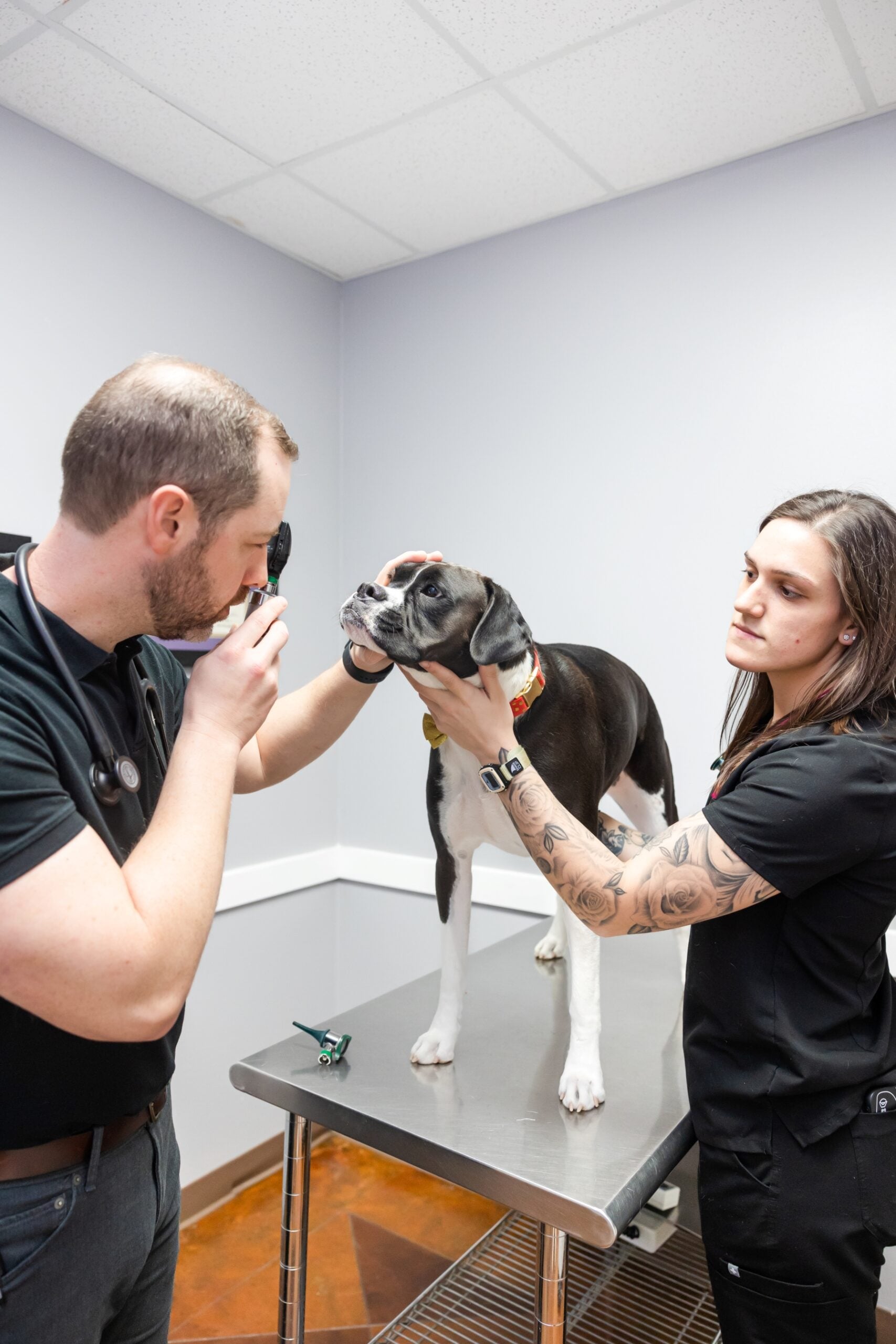
What happens during a wellness exam goes beyond a cursory once-over. A responsible veterinary exam is a diagnostic conversation as much as it is a physical assessment. It starts with listening—really listening—to how the pet moves, how they respond to touch, and how they express discomfort, fear, or curiosity. Physical evaluation follows a methodical path: heart and lungs first, then temperature and hydration, followed by a careful oral examination, palpation of internal organs, and a brief neurological check. A well-run exam also reads the environment because a pet’s living space speaks volumes about exposure risks, dietary patterns, and daily activity.
A recurring theme in wellness practice is the balance between preventive medicine and the realities of a budget and schedule. At Prairieville Animal Hospital, we talk through this balance with owners in plain terms. Vaccinations, parasite prevention, dental care, and nutritional planning are not just boxes to tick off; they are long-term investments. Knowing how their pet’s body responds to age and activity helps families plan for the future, whether that means adjusting a dog’s exercise routine to preserve joints or recognizing boarding kennels prairieville la early dental disease in a cat before it affects appetite and overall health. The aim is to keep the animal comfortable and engaged in daily life.
The exam room is a space to build trust, not simply to perform a procedure. We often begin with a brief behavioral check. How does the animal respond to grooming or routine handling? Is there ongoing noise sensitivity? Any changes in appetite or water intake? Small, seemingly mundane observations can point to larger health concerns. For instance, a cat that becomes unusually grumpy during brushing could be signaling dental discomfort or arthritis in the spine or jaw. A dog that drinks more water than usual may be hinting at a metabolic issue such as diabetes or kidney concerns. The more detail an owner provides, the more precise the ensuing plan can be.
The core components of a wellness visit rarely surprise seasoned clinicians, but they are essential, practical, and time-proven. First comes a targeted history. This is where the human-animal bond shows its strength. Owners recall subtle shifts—the puppy who suddenly sleeps more, the senior cat who stops purring during lap time, the terrier who tires earlier on a jog. These are not alarm bells on their own, but they flesh out a picture that helps us decide which tests, if any, are appropriate. Then the physical exam, as described, is followed by a discussion of findings and a plan. We tailor the plan to the patient’s age, lifestyle, and medical history, always with a transparent discussion about possible costs, the necessity of tests, and the expected return on investment in terms of comfort and longevity.
The role of vaccines during wellness visits cannot be overstated. Vaccinations protect pets from serious diseases and, in many cases, protect other animals in the household. The decision to vaccinate is not a one-size-fits-all call; it’s a careful assessment of risk, exposure, and the pet’s individual health status. For dogs, core vaccines and non-core vaccines are weighed against factors such as breed predispositions, travel plans, and local disease prevalence. For cats, a similar calculus applies, with attention to age-related immune response and the possibility of waning immunity over time. The conversations around vaccines at Prairieville Animal Hospital aim to be clear and practical: what is essential now, what can be deferred, and what vaccination schedule is sustainable over the life of the pet. These decisions are dynamic, not set in stone, and they reflect the realities of a pet’s daily life and the community environment.
There is a moment in every wellness visit that often surprises owners: the numbers. We talk about weight, body condition, heart rate, and sometimes blood pressure. These figures are not cosmetic; they seed early intervention. A small weight gain over several months can herald metabolic changes or joint stress. A rise in blood pressure in an older animal may be the first whisper of kidney disease or glaucoma in a blind dog, conditions that become evasive if left to advance. The skill is not in the alarm but in the targeted action—adjusting portion sizes, recommending a joint-friendly exercise plan, or initiating diagnostic screening to map out safe, constructive next steps.
Dental care, in particular, is a field where prevention changes the pet’s day-to-day experience in ways owners feel immediately. The mouth is a mirror, not merely a place for clean breath. Dental disease is linked to heart and kidney health, and it can erode appetite and comfort. During wellness exams we review dental status, discuss at-home care routines, and set expectations for professional cleaning when indicated. The practical stance is to align dental care with the pet’s overall health plan rather than treating dental disease as an isolated problem, something that makes a visible difference in a pet’s quality of life within weeks or months.
A robust wellness program also includes parasite control, an essential component of preventive health. Fleas, ticks, and intestinal parasites are not only nuisances; they’re potential sources of disease and discomfort. The approach is proactive rather than reactive. We map out a seasonally appropriate plan for heartworm prevention, indoor versus outdoor exposure, and whether periodic deworming aligns with the pet’s travel schedule or boarding plans. The aim is to minimize risk with products and practices that suit the animal’s life stage, age, and habitat. The real-world value becomes evident when owners report fewer bites, less skin irritation, and fewer gastrointestinal upset episodes during parasite season.
For some pets, the wellness exam evolves into a more structured preventive health plan that extends beyond the clinic visit. A nutrition plan, for example, tends to be as important as vaccines or dental care. We discuss feeding strategies in terms of calories, portion control, and the type of kibble or canned food that best suits energy needs and dental health. It is not a matter of simply picking a brand; it is about understanding how a pet’s weight changes with activity, life stage, and medical conditions. A practical expectation we share with owners is that mild adjustments, implemented gradually, produce tangible improvements over weeks rather than months. This approach aligns with how families live and how pets respond to routine changes.
When a wellness exam reveals a potential concern, the response is typically calibrated rather than dramatic. A minor abnormal lab result might lead to a fast retest and a closer look at the pet’s recent diet and environment. A larger issue could necessitate a diagnostic workup that includes imaging or a targeted panel of tests. The point is to avoid delays, but also to avoid overreacting. The most effective path is a balanced plan: confirm the finding, isolate the cause, and implement a practical treatment or management approach. In real practice, this might mean a short course of medication followed by recheck, or a transition to a different diet with close monitoring of energy levels and activity.
A wellness program thrives on continuity. The rhythm of visits creates a narrative of health that owners can read. It builds a sense of partnership, a recognition that veterinary care is not a single event but a long-term relationship. At Prairieville Animal Hospital, that relationship is anchored in accessibility and clear communication. We keep owners informed through simple channels: reminders for vaccines and exams, explanations of what to watch for between visits, and a transparent discussion of costs and alternatives. The aim is to empower owners to take an active role in their pet’s health, without feeling overwhelmed by medical jargon or unrealistic expectations.
The practical reality is that every pet is a unique case, shaped by genetics, environment, and day-to-day choices. A geriatric cat living indoors with a stable routine may require a different screening schedule than a high-energy dog that enjoys long hikes and forested outings. The wellness plan must bend to these realities, not force a standard formula on every animal. That is why we emphasize flexibility. A plan that tracks weight, activity level, and owner observations provides a continuous data stream we can respond to with timely adjustments. This approach reduces the risk of crisis visits and keeps care predictable and humane.
Two anchors often guide these conversations: screening as early detection and the practical boundaries of cost and time. Early detection means that some conditions, like early kidney disease or hyperthyroidism, can be identified before overt symptoms emerge. Time is about scheduling convenience and the pet’s tolerance for procedures. The clinic’s approach is to align the plan with the family’s routine, not to force an upheaval of daily life. We recognize that both dogs and cats are more resilient when their health needs are integrated with how they live. The goal is not to create friction but to minimize it, so preventive care becomes a natural part of ownership rather than an occasional effort.
With those principles in mind, Prairieville Animal Hospital offers a structured outpatient pathway that is straightforward but not simplistic. The typical wellness journey for an adult pet might look like this: a yearly comprehensive exam paired with age-appropriate blood work, vaccines updated as needed, a review of dental status, and a targeted plan for parasite control. For senior pets, we anticipate the likelihood of needing more frequent checks, including panels that assess organ function, thyroid or endocrine issues, and possible imaging if mobility or appetite changes appear. If a chronic condition is present, the routine shifts toward integrated management—dietary modifications, medication adjustments, and closer monitoring to ensure the strategy remains effective without compromising quality of life.
To illustrate how this plays out in daily practice, consider a recent case, not unusual in its arc but instructive in its outcome. A nine-year-old mixed-breed dog named Bella came in for a routine wellness exam. She had drifted toward sleeping more during the day and showed a mild reluctance to climb stairs, something her owner attributed to age. In the examination, Bella’s weight had crept up by about two pounds over the past six months, and her dental exam suggested early tartar buildup. Blood work revealed borderline kidney function for her age, a finding that would have been easy to overlook amid the bustle of a busy day. The team adjusted Bella’s diet to a weight-management formula, introduced a dental cleaning plan scheduled for the near future, and set a recheck in three months to monitor kidney values and weight. The owner left with a clear, manageable plan and a schedule that felt doable, not overwhelming. A few weeks later Bella’s energy returned to a level closer to her younger years, and the owner reported that stairs no longer posed a problem. It was not a dramatic turnaround, but it was meaningful and sustainable.
Another useful dimension comes from team collaboration. Wellness care is a shared responsibility among the veterinary staff and the pet owner. In practice, this means clear delegation of tasks, a transparent handoff from the intake team to the veterinary clinician, and a follow-up that confirms understanding and adherence. The goal is not to stage a perfect visit, but to ensure the plan is remembered, implemented, and adjusted as life changes. We often see owners appreciate written care plans that summarize the discussion in plain terms, including any recommended tests, dietary changes, or activity guidelines. A well-documented plan reduces confusion and fosters a sense of ongoing partnership.
For families considering the value of regular wellness visits, a few practical notes help translate the abstract benefits into everyday decisions. First, setting a predictable cadence matters. If your schedule allows, commit to a standing appointment each year for an adult pet, and plan for a recheck visit when a new health concern emerges. Consistency is a quiet multiplier of health outcomes. Second, keep a simple record of changes at home. A notebook or a digital log that tracks weight, appetite, energy, and notable behavioral shifts provides a rich reference for the veterinarian to interpret at the next visit. Third, prepare questions ahead of time. No question is too small if it helps you understand your pet’s health. If you worry about dental health, or if you’re unsure whether to vaccinate this year, bring those concerns into the room and let the medical team help you navigate them.
In the end, wellness exams are not about fear or alarm. They are about practical stewardship, clear communication, and the quiet confidence that comes from knowing you have a plan when life throws a curveball. The value is measured not just in the absence of illness, but in the presence of vitality: a dog that enjoys a longer, more comfortable daily walk; a cat who maintains a comfortable appetite and bright eyes; a home where the routine of care aligns with the rhythms of everyday life. The human-animal bond is strongest when care is reliable, clear, and compassionate.
Set against the backdrop of Prairieville, this approach to pet wellness has a direct lineage from the clinics that keep families at ease. It is the same philosophy we apply when arranging vaccinations for pets, when planning spay and neuter procedures, when scheduling pet surgery, and when coordinating pet dental care. Each component is a thread in the broader fabric of preventive health, designed to minimize crises, reduce discomfort, and extend the years you share with your companion.
The spay and neuter journey, in particular, intersects with wellness in meaningful ways. Early spay or neuter interventions are often paired with a preventive care plan that begins in earnest after the procedure. We discuss anesthesia safety, post-operative care, and the timeline for returning to normal activity. The advantage of combining these surgical milestones with routine wellness care is the continuity it provides. The pet enters a new phase of life with a solid baseline for health, a baseline that can be monitored and adjusted as needed. It is an example of how preventive care is not a one-time event, but a coordinated sequence of care moments that together yield better outcomes.
To sum up what regular wellness exams deliver, consider three practical takeaways:
- Early detection: routine screenings catch subtle changes before they escalate into serious problems.
- Proactive management: vaccines, dental care, parasite prevention, and nutrition form a cohesive plan that supports long-term health and comfort.
- Clear partnership: owners gain access to a reliable schedule, transparent discussions about costs and options, and a practical road map for home care.
These pieces cohere into a compelling argument for prioritizing wellness visits as a staple of responsible pet ownership. For families who may have limited time or a tighter budget, the message remains the same: invest in regular, consistent care, and you increase the odds of a pet living a long, happy life with fewer medical surprises along the way.
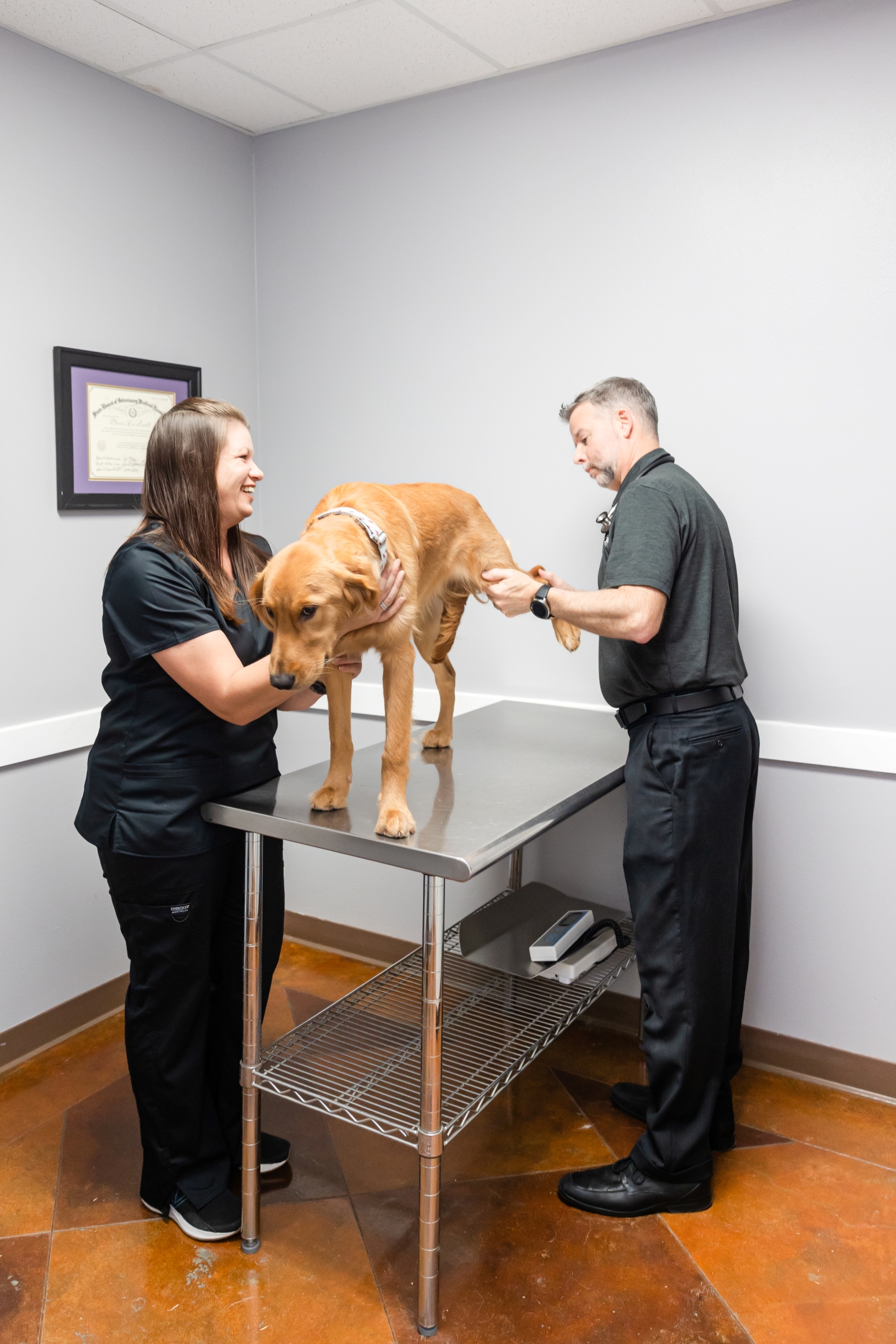
In closing, the routine wellness exam is more than a veterinary procedure. It is a proactive stance toward the daily realities of pet ownership, a commitment to the moment when a small change offers payoffs weeks, months, and years down the line. At Prairieville Animal Hospital, we approach this work with the seriousness it deserves and the quiet confidence that comes from seeing pets thrive over time. If your schedule allows, consider marking wellness visits on the calendar as a recurring appointment rather than a one-off event. The health of your pet, and the peace of mind that comes with it, is worth that small upfront investment.
Two small but practical considerations can help keep the wellness plan on track:
- Bring a current medication list and any supplements to the appointment. Even over-the-counter products can interact with each other or with prescribed therapies, and having a complete picture helps avoid surprises.
- Note any travel or boarding plans in the weeks ahead. A pet that will be away from home may need updated vaccines, a parasite prevention strategy aligned with the destination, or a dental check to prevent stress during a change in routine.
Ultimately, wellness exams are about the long game. They set a rhythm that respects the pet’s life stage, the family’s routine, and the realities of a community where disease and discomfort do not respect boundaries. The practice of preventive medicine is not glamorous, but it is effective. When executed with experience and empathy, it becomes a straightforward path to healthier days for pets and fewer moments of worry for owners. That is the core promise of regular wellness care at Prairieville Animal Hospital, a promise grounded in years of patient observation, clinical judgment, and the everyday acts of care that define a life well lived for a beloved animal.